What to expect
BloodPril Results Timeline: What to Track Week by Week for 60 Days
No results timeline has been published for BloodPril, and no trial of it exists, so nobody can promise a change by a set week. Treat the first 60 days as a test you run: log home cuff readings, keep your medicine and checkups, and review the log with your doctor. The seller's window runs 60 days from purchase; its terms ask for 30 days of use.
Written by the BloodPril editorial teamUpdated
The honest answer
How long does BloodPril take to work?
Nobody knows, because BloodPril has never been studied. There is no published timeline, no trial and no verified customer data to draw one from.
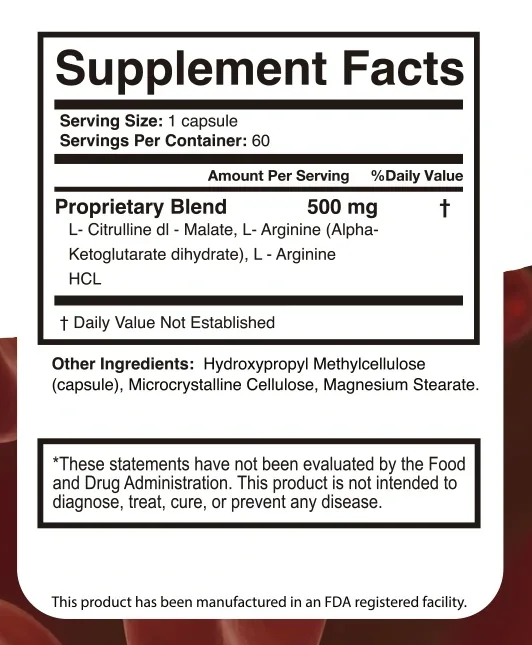
What exists is research on L-arginine alone. Trials gave people 4 to 24 grams a day for weeks, and average readings moved a few points (Dong et al., Am Heart J 2011). BloodPril's whole blend is 500 mg per capsule, so those results do not set a schedule for it.
That leaves one fair way to judge it: your own numbers. A steady home cuff log, compared with readings from before you started, tells you more than any ad. The 60-day window gives you time to collect that log without rushing.
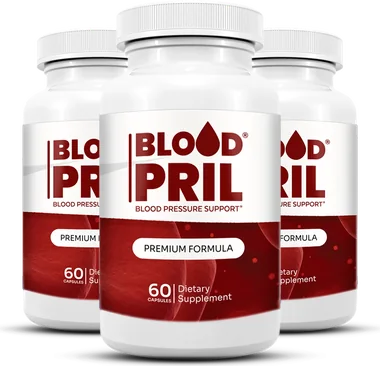
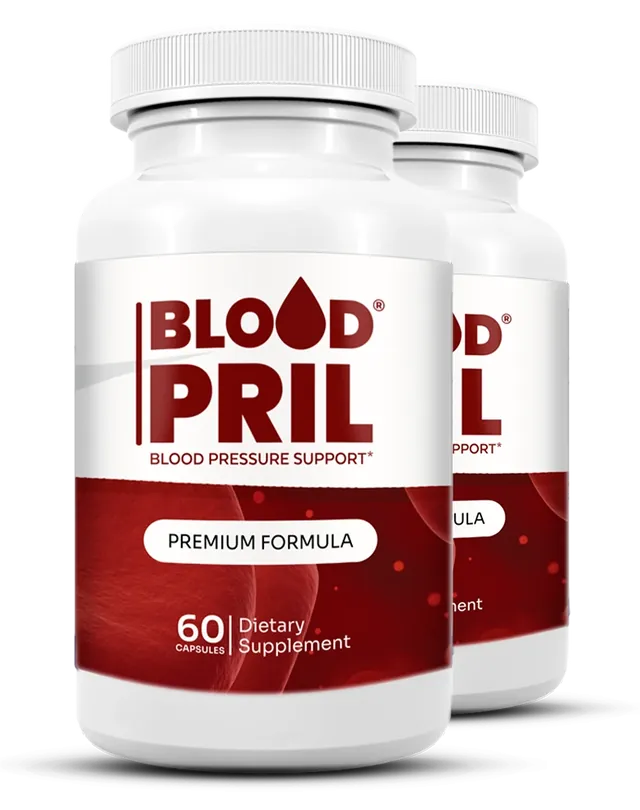
Two bottles cover 120 days at one capsule a day, so the smallest pack lasts past day 60. See all three packs.
Day 0
What should you do before your first capsule?
Take a week of baseline readings and talk to your doctor. Without a starting point, you cannot tell whether anything changed later.
- Measure at the same times each day, for example after waking and before dinner.
- Sit for at least five minutes first, and use a cuff that fits your arm (MedlinePlus, High BP in adults).
- Write down every reading, not only the good ones.
- Tell your doctor you plan to add an arginine supplement, and list your medicines.
- Save the order email. Your order ID is what the order desk asks for.
The how to use page covers the dose and a step-by-step reading routine.
Week by week
What should you track each week on BloodPril?
A tracking plan, not a promise. Each step tells you what to record and what to decide.
- Before day 1
Seven days of baseline readings, taken the same way each time. Work out the average for the morning and for the evening.
- Week 1 (days 1 to 7)
Start with one capsule a day and an 8 oz glass of water, as the label directs. Note the time you take it and anything unusual, such as dizziness. Your prescribed medicines stay on their usual schedule.
- Weeks 2 to 3
Keep logging. Look at weekly averages, not single readings, since numbers swing with salt, sleep, stress and the time of day.
- Week 4 (around day 30)
The seller's terms ask for at least 30 days of use before a refund. Compare your week 4 average with your baseline. Write the two numbers side by side.
- Weeks 5 to 6 (by day 45)
Decision point. Share the log with your doctor if you can. If BloodPril is not for you, call the order desk now, while there is time to mail the bottles back.
- Weeks 7 to 8 (day 60)
The window from purchase closes on day 60. Any refund call has to happen before then.
- After day 60
If you keep taking it, keep the log and your regular checkups. A supplement never replaces follow-up care.
60-day window
How does the 60-day window line up with your log?
The window starts on the date of purchase, not the day you open the bottle. Shipping time comes out of it.
- Day 1
Order and keep the email
Your order ID is the key to every refund call. Save the confirmation email.
- Day 30
The minimum use
The seller's terms ask for at least 30 days of use. Keep a short log.
- Day 45
Decide
Not for you? Call the order desk now, while there is time to mail the bottles back.
- Day 60
Window closes
Call +1 (302) 200-3480 before day 60. Ask how the 30-day use rule is applied to your order.
Claims go through +1 (302) 200-3480 with your order ID. Ask how the 30-day use condition is applied to your order before you mail anything. Details on the guarantee page.
Your log
What should a home blood pressure log include?
Six columns are enough. A paper notebook or a phone note both work.
| Column | What to write | Why it helps |
|---|---|---|
| Date and time | Each reading, with the clock time | Pressure changes through the day; compare like with like |
| Reading | Top and bottom numbers, plus pulse | The raw data your doctor will read |
| Conditions | Seated, rested 5+ minutes, same arm | Readings taken differently are not comparable (MedlinePlus, High BP in adults) |
| Capsules | 1 or 2, and when you took them | Shows whether you followed the label |
| Medicines | Taken on time, yes or no | A missed pill can move numbers more than any supplement |
| Notes | Salty meal, poor sleep, stress, alcohol, dizziness | Explains odd readings so you do not misjudge the trend |
Reading the numbers
How do you know if your readings have changed?
Compare averages over a full week, before and after, taken the same way. One low or high reading means little on its own.
| Category | Top number (systolic) | Bottom number (diastolic) |
|---|---|---|
| Normal | Under 120 | and under 80 |
| Elevated | 120 to 129 | and under 80 |
| Stage 1 high | 130 to 139 | or 80 to 89 |
| Stage 2 high | 140 or higher | or 90 or higher |
| Crisis | Higher than 180 | and/or higher than 120 |
Source: (MedlinePlus, High blood pressure). High blood pressure usually has no symptoms, so feeling fine says nothing about your numbers. If your averages move, your doctor decides what it means, including whether anything else changed, such as diet or weight.
Checkups
What should you bring to your doctor visit?
Bring the log, the bottle and your home monitor. Your doctor can check the cuff against the office reading, which makes your home numbers more useful (MedlinePlus, High BP in adults).
- Your baseline week and your latest week, side by side
- The BloodPril bottle, so the doctor can read the blend and the caution
- A list of every medicine and supplement you take
- Any dizziness, light-headed spells or other changes you noticed
Ask a direct question: should I keep taking this, and should anything else change? Keep taking your prescribed medicine and never change a dose on your own (MedlinePlus, BP medicines).
Safety
When should you stop and call a doctor?
Call your doctor if you feel dizzy or faint, or your readings drop well below your usual range. Arginine may stack with blood pressure drugs, nitrates and ED medicine (Mayo Clinic, L-arginine).
A reading higher than 180/120 needs care right away. Call 911 if it comes with chest pain, shortness of breath, weakness or vision changes (MedlinePlus, High blood pressure).
Decide
How do you decide whether to keep BloodPril?
Decide on your log and your doctor's view, ideally by day 45. If your averages and your doctor say keep going, the larger packs lower the daily cost. If not, call the order desk before day 60.
Either way, the habits in the blood pressure guide, such as less salt and more walking, carry on helping whether you take a capsule or not.
FAQ
BloodPril results: questions people ask
When should I start checking my blood pressure on BloodPril?
Start a week before your first capsule. That week of readings is your baseline, and every later week is compared with it. Measure at the same times each day, seated after five minutes of rest, with a cuff that fits (MedlinePlus, High BP in adults).
Does BloodPril work fast?
No. BloodPril is not a fast-acting product, and no study shows it changes readings at all. Arginine trials ran for weeks at gram doses (Dong et al., Am Heart J 2011). Judge it by weekly averages over a month or more, not by how you feel after a few doses.
How long does L-citrulline take to work?
There is no answer we can verify. Research on citrulline for blood pressure is small, and we could not open a study page to check its doses or timing, so we give no figures. In BloodPril, citrulline is part of a shared 500 mg blend, which makes any timeline even less certain.
What if my readings do not change after 30 days on BloodPril?
Take your log to your doctor and decide by day 45. No change is a common and fair result for a 500 mg blend. If it is not for you, call +1 (302) 200-3480 with your order ID before day 60 and ask how the 30-day use condition applies.
Should I take 2 BloodPril capsules if I see no results?
The label allows up to two capsules a day, but no evidence shows two work better than one. Ask your doctor first, especially if you take blood pressure medicine. Never take more than two a day, and note the change in your log.
What do BloodPril reviews say about results?
We have no verified, order-matched reviews to report, so we publish no results, ratings or quotes. Stories on other websites cannot be checked. Your own home log is a better guide than any review. See how we check reviews.
Can I keep taking BloodPril after 60 days?
Yes, if you and your doctor agree it is worth it. The 60-day window only limits refunds. At one capsule a day, a bottle lasts 60 days. Keep logging readings and keep your regular checkups while you use it.
Who wrote this
Written and reviewed by
Plain-language pages built from the label, the sales page and linked public health sources.
Last updated . Read our editorial standards and how we check reviews. This website is run by a U.S. shop that sells BloodPril, not by the manufacturer. We earn money when you buy through our order links.
Keep reading
More about BloodPril
How to use
The BloodPril label directions, 1 vs 2 capsules, timing, missed doses, storage and a home blood pressure log routine.
Read more
Guarantee
The BloodPril 60-day window in plain words: when it starts, the 30-day use condition, and what it covers.
Read more
Blood pressure guide
What the numbers mean, the habits doctors ask about, home cuff checks and the main medicine classes.
Read moreBloodPril U.S. shop
Ready to try BloodPril?
Pick a pack. One capsule a day; even the 2-bottle pack lasts 120 days at that dose, longer than the 60-day window.
- Secure checkout
- 60-day window
- Ships from the U.S. with tracking